

 By
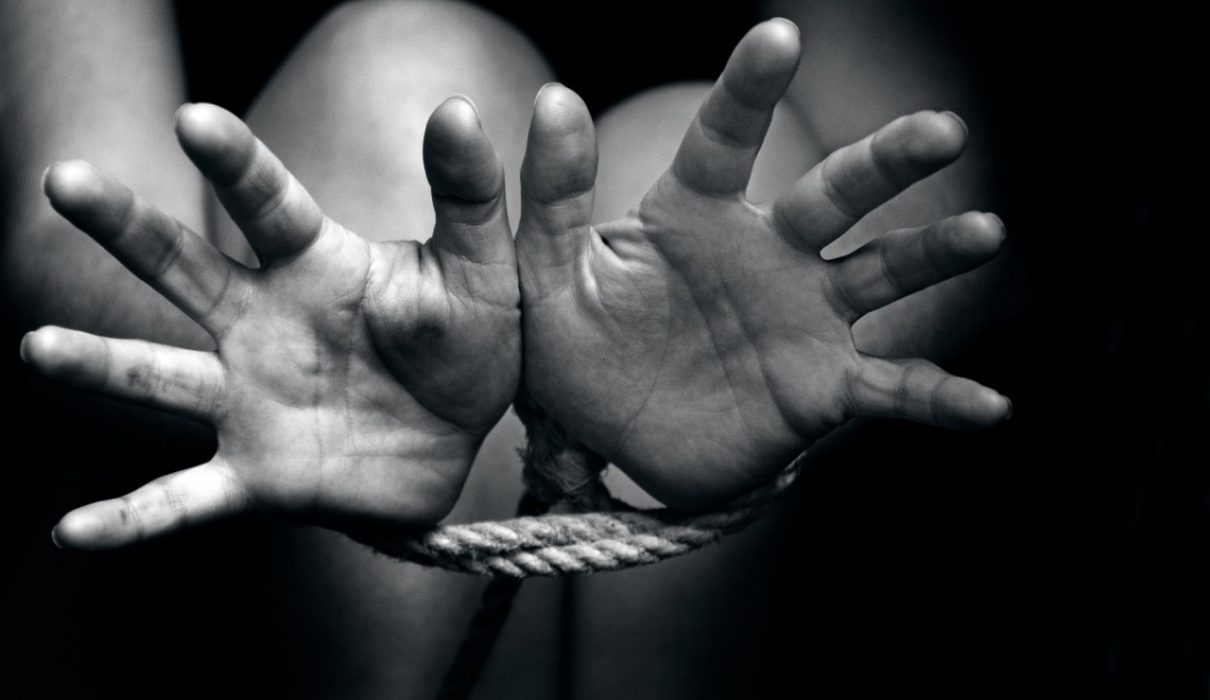
By Human trafficking is the action of transporting people with malicious intent such as sexual slavery, labor exploitation, or sexual exploitation for traffickers, or other people. Human trafficking is a form of modern-day slavery that involves the recruitment, transportation, transfer, harboring, or receipt of people by force, fraud, or coercion for the purpose of exploitation. Exploitation can include forced labor, sexual exploitation, or the removal of organs.
Victims of human trafficking can be found in a variety of places around the world and all age groups are vulnerable to this crime. The most common victims of human trafficking are women and children, although men, women, and children may be trafficked for labor or sexual exploitation. Traffickers often target vulnerable individuals such as those living in poverty or those who are fleeing conflict or violence.
Human traffickers use a variety of methods to gain control over their victims, such as physical violence, psychological manipulation, and economic coercion. Traffickers may also use false promises of a better life, such as false job opportunities, to lure victims. Traffickers use various methods to transport victims, such as by plane, boat, or car, and they often cross international borders.
Human trafficking is a global issue that requires a global response. Efforts to combat human trafficking must be multi-faceted and must target both the traffickers and the victims. Governments must strengthen their laws and policies to protect vulnerable individuals and crack down on traffickers. Furthermore, governments must provide resources and support to victims of trafficking, such as access to medical and psychological care, legal aid, and economic assistance.
Table of Contents
7 Human Trafficking Cases
Human trafficking is an international crime and affects millions of people around the world. It is a global issue that affects all countries and nations, regardless of their wealth or size. We saw human trafficking in different cases:
- Forced labor: Forcing an individual to work in a factory, on a farm, in a mine, or in a home without pay or in exchange for low wages.
- Forced marriage: Forcing someone to marry against their will, usually for the purpose of exploitation.
- Child sex trafficking: Trafficking of children for sexual exploitation, including the involvement of the child in the production of child pornography.
- Organ trafficking: The illegal trade of human organs for profit.
- Domestic servitude: Forcing someone to work as a domestic servant in a private home, often in forced isolation.
- Child soldiering: Enlisting or forcing children to participate in armed conflict.
- Forced prostitution: Forcing someone to engage in commercial sex acts, often through threats, coercion, or fraud.
These are the most common types of human trafficking. Human trafficking mostly occurs with the force of a trafficker (sometimes false promises and violations can trick the victims) and around the world, nearly all ages, men, women and children are being captured to be used by traffickers. Millions of victims are transported every year to different regions.
Specifically, traffickers choose their victims on different occasions to prevent their escape or help call. They might use language issues and they generally choose people who are very fragile due to different reasons such as traumas, natural disasters, wars, etc. In CTDS (The Counter of Trafficking Data Collaborative) you can find detailed reports with visualization to understand more about human trafficking.
| YEAR | PROSECUTIONS | CONVICTIONS | VICTIMS IDENTIFIED | NEW OR AMENDED LEGISLATION |
| 2014 | 10,051 (418) | 4,443 (216) | 44,462 (11,438) | 20 |
| 2015 | 19,127 (857) | 6,615 (456) | 77,823 (14,262) | 30 |
| 2016 | 14,939 (1,038) | 9,072 (717) | 68,453 (17,465) | 25 |
| 2017 | 17,471 (869) | 7,135 (332) | 96,960 (23,906) | 5 |
| 2018 | 11,096 (457) | 7,481 (259) | 85,613 (11,009) | 5 |
| 2019 | 11,841 (1,024) | 9,548 (498) | 118,932 (13,875) | 7 |
| 2020 | 9,876 (1,115) | 5,271 (337) | 109,216 (14,448) | 16 |
Table Taken From 2021 Trafficking In Person Report
Besides the humanity part of human trafficking, the very reason that lies underneath this crime is the potential income that human trafficking provides. According to the latest reports, human trafficking globally generates 150 billion dollars of income for traffickers.
What are 5 Ways to Prevent Human Trafficking?
- Raise Awareness: Educate your community, family, and friends about the signs of human trafficking and how to recognize them. Make sure everyone knows the warning signs of human trafficking and what to do if they encounter them.
- Support Anti-trafficking Efforts: Donate to organizations that are dedicated to fighting human trafficking and supporting victims.
- Advocate for Legislation: Urge your local, state, and federal representatives to take action against human trafficking.
- Volunteer: Volunteer with local organizations that are working to end human trafficking and provide services to victims.
- Monitor Business Practices: Ask companies to provide transparency in their supply chains and ensure that they are not engaging in practices that could enable human trafficking.
- Support Survivors: Provide services such as counseling and job training to survivors of human trafficking.
- Engage with Social Media: Use social media to spread awareness about human trafficking and the steps people can take to prevent it.
Human Trafficking & Money Laundering
What we have mentioned above is the main motivation behind human trafficking is the income that comes along with it. Traffickers and criminal organizations globally need to convert this illegal income into legitimate ones through different methods of money laundering. The flow here can be very complex and it is not always easy and possible to stop these transactions. So to prevent human trafficking and stop the money laundering transaction, regulators have set certain regulations:
- It is forbidden to deposit or withdraw large amounts of money into accounts from regions that close to the borders
- Transaction patterns in the same hours to specific accounts
- Critical deviations from expected financial activities
Of course, there are more regulations depending on various factors but day by day, the complexity in financial activities is increasing and the regulations are being harder to control. So various software and methods are being developed in order to prevent human trafficking by applying and controlling these regulations.